AI lead follow-up means using automated systems to contact every new lead within seconds of them submitting a form, calling your number, or filling out a chat widget, without any human needing to touch a keyboard first. The system sends a personalized SMS or email the moment the lead arrives, kicks off a multi-step nurture sequence, and keeps following up until the lead responds or opts out. Done right, it turns a slow, inconsistent sales process into something that works at 2am on a Sunday just as well as it does at 9am on a Tuesday.
Quick Answer / Key Takeaway
AI lead follow-up automates the first (and most important) response to every new inquiry. Leads contacted within 5 minutes are 100x more likely to qualify than those reached after 30 minutes. AI handles the immediate SMS, the follow-up email, and the multi-touch sequence, so your team only steps in when there is a real conversation to have.
What Speed to Lead Actually Costs You
Most businesses respond to new leads in hours, not minutes. The average response time across industries sits around 47 hours. That is not a typo. 47 hours.
Here is what happens during that window: the lead moves on. They fill out three more forms, talk to a competitor who called them back in four minutes, and by the time your sales rep finally picks up the phone, the prospect barely remembers submitting the form on your site.
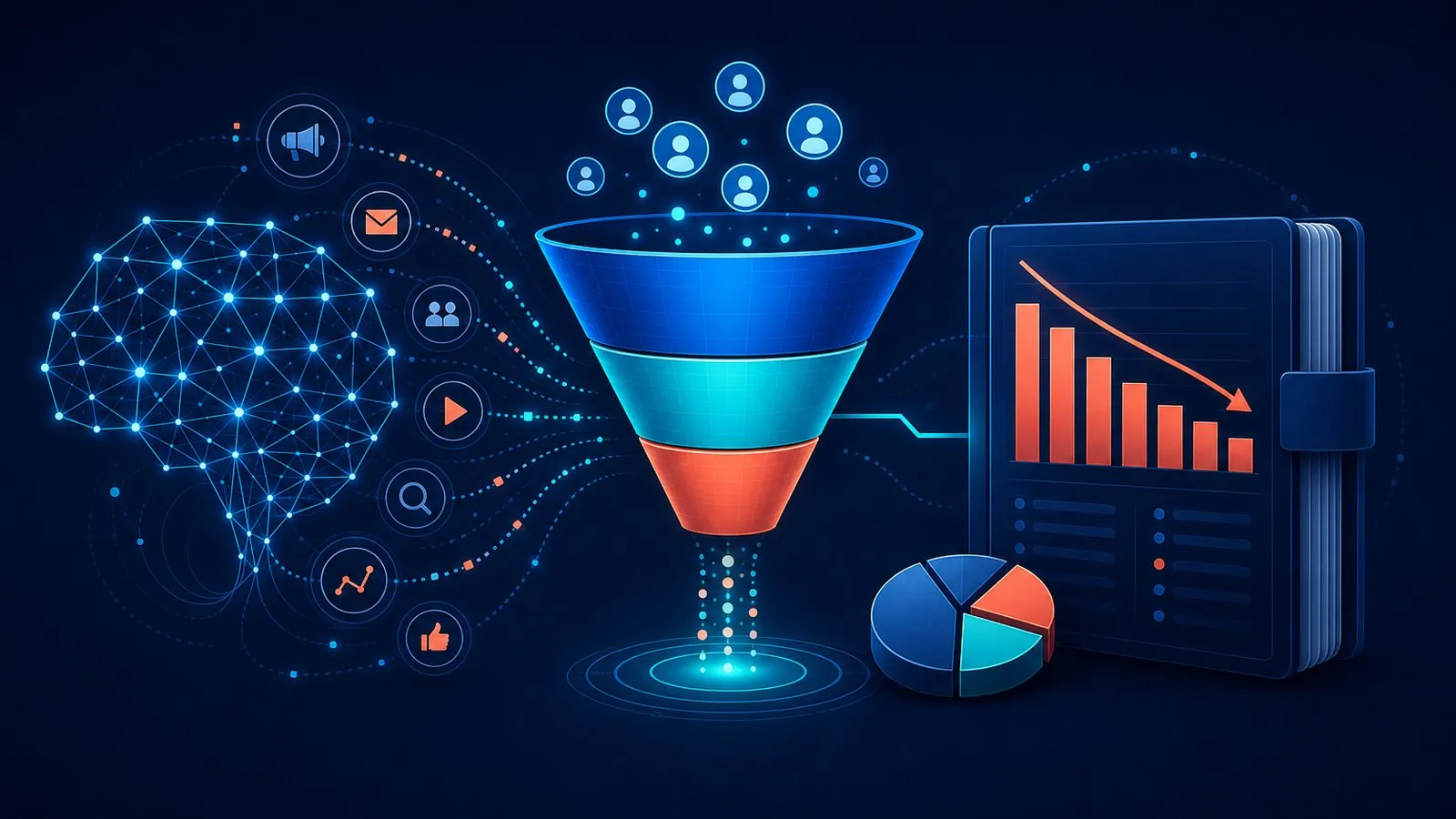
The data on this is stark. Leads contacted within 5 minutes are 21 times more likely to become customers compared to leads reached after 30 minutes. Teams that respond within one minute see up to 391% higher conversion rates. When follow-up is delayed beyond the 5-minute window, conversion rates drop by 8x. These numbers come from studies by the Harvard Business Review, Chili Piper, and InsideSales.com, and they have been replicated across enough industries that we treat them as settled.
The honest truth: most businesses know this and still cannot execute on it. The problem is not awareness. It is operational capacity. You cannot staff a human to respond to every web form at 11pm on a Friday. That is exactly the gap AI fills.
How AI Lead Follow-Up Works
At its core, AI lead follow-up is a trigger-based automation system. A lead submits a form, makes a call, or books a chat, and that event fires a workflow. The workflow sends a message, logs the interaction, updates the CRM, and schedules the next touchpoint, all without a human doing anything.
The AI layer adds a few capabilities that basic automation cannot match:
Personalization at scale.
Instead of "Hi there, thanks for reaching out," the message references the service the lead inquired about, the page they came from, or the specific question they asked. The personalization feels native, not templated.
Behavioral branching.
If the lead opens the email but does not reply, the next message in the sequence is different from what a non-opener receives. If they click a pricing link, the follow-up shifts to address budget and ROI, not awareness-stage education.
Multi-channel coordination.
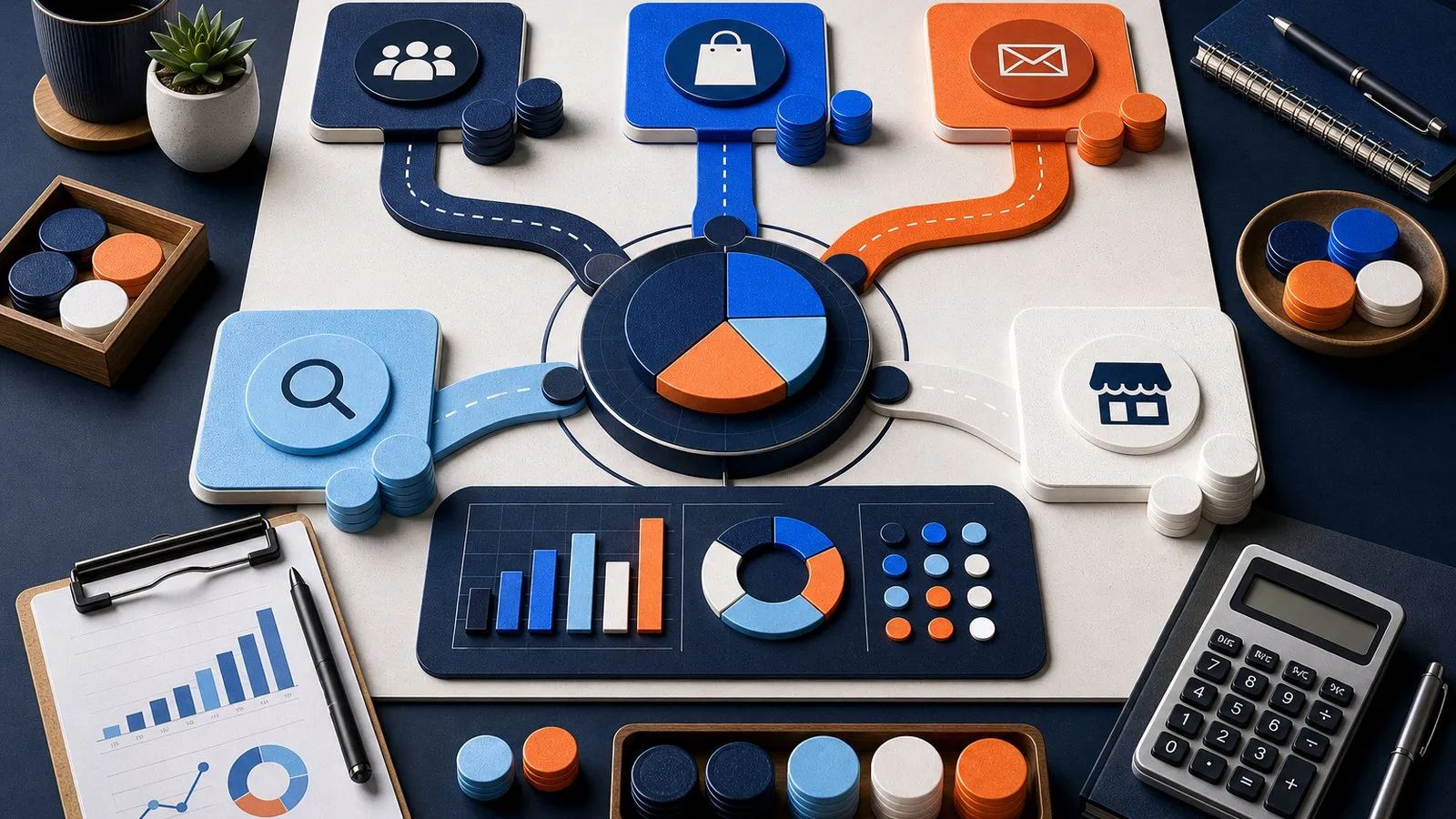
A well-built AI follow-up system touches leads via SMS, email, and sometimes voicemail drop, in a coordinated sequence designed so the channels reinforce each other rather than feeling like spam from multiple directions.
Lead scoring.
As the system collects behavioral signals (opens, clicks, replies, time on site), it adjusts the lead's score and can route high-intent leads to a human rep in real time, while continuing to nurture lower-intent prospects automatically.
We have set this up for clients in home services, legal, and SaaS verticals. The pattern is consistent: once a system is running, response time drops to under 60 seconds, follow-up rates hit 100% (because automation does not forget), and the sales team spends their time on conversations instead of outreach.
Building a Follow-Up Sequence That Converts
The sequence structure matters as much as the tools. Here is what a high-converting AI lead follow-up sequence looks like in practice:
Minute 0 to 2: Immediate SMS
The first message goes out by text. SMS open rates run around 98%, compared to roughly 20% for email. The message is short, references what the lead asked about, and includes a clear call to action, typically a link to book a call or a simple reply prompt. Something like: "Hi [First Name], this is [Business Name]. We got your request about [service]. When is a good time to chat for 10 minutes?" That is it. No pitch, no wall of text.
Minutes 15 to 30: Follow-Up Email
If the lead does not respond to the SMS, an email goes out. This one can be slightly longer. It restates the value proposition, answers the most common question leads in this category have (what does this cost, how does it work, how long does it take), and gives them an easy way to self-schedule.
Day 2: Second SMS
A light nudge. "Hey [First Name], just wanted to make sure my last message got through. Still happy to connect this week." Short, low-pressure, human-sounding.
Day 3 to 5: Email with Value Content
At this point, the lead either forgot they submitted the form or is comparison-shopping. Send something useful, a case study, a before-and-after, a short explanation of how your process works. This positions the business as a resource, not just a vendor chasing a sale.
Day 7 and Beyond: Long-Tail Nurture
Leads who have not converted by day 7 are not necessarily dead. They may be six weeks from being ready. The sequence shifts to a lower-frequency, higher-value cadence, a monthly email with relevant content, the occasional check-in SMS. Many of our clients' best closings come from leads who went quiet for 45 days and then suddenly responded when the timing changed on their end.
What AI Can Do and One Thing It Cannot Replace
Here is an honest admission: AI follow-up is not a complete sales process. It is a front-end system. It handles volume, consistency, and speed better than any human team can. But it cannot read the room the way a good sales rep can in a real conversation.
When a lead replies with a complex question, pushes back on price, or describes a nuanced situation, a human needs to take over. The best implementations we have built treat AI as the qualifier and connector, not the closer. The AI gets the lead into the conversation. The human closes it.
The other limitation worth naming: personalization has a floor. AI can reference the service the lead inquired about and adapt message tone based on industry signals, but it does not know that this particular prospect is a decision-maker at a 500-person company who just left a competitor. The human who picks up the phone and asks good questions will always have access to information the automated system cannot.
What AI is genuinely good at: making sure every lead gets a response in under two minutes, following up seven or more times without your team burning out, and routing the right leads to the right people at the right moment.
Tools We Use for AI Lead Follow-Up
There is no single tool that does everything perfectly. The stack we build for clients typically combines three to four systems:
CRM with built-in automation.
HubSpot, GoHighLevel, and Salesforce all support automated workflows triggered by lead events. GoHighLevel is our most common choice for local businesses because it handles SMS, email, and voicemail drop from a single interface and is priced for businesses that are not enterprise.
AI-powered SMS and email.
For businesses that want AI-written, behavior-adaptive messages rather than templated sequences, tools like Exceed.ai and Conversica add a layer of genuine AI response capability. These tools can carry on a limited back-and-forth conversation via text or email, qualifying the lead further before a human steps in.
Lead capture and routing.
The follow-up system is only as good as the trigger. Form submissions, call tracking numbers, chat widgets, and paid ad lead forms all need to connect to the automation layer cleanly. We typically use Zapier or native CRM integrations to close those gaps.
Reporting and attribution.
Knowing which follow-up touchpoint drove the response matters for optimizing the sequence over time. Most CRMs track this natively if the integration is set up correctly from the start.
Our AI-powered marketing services are built around this kind of full-stack implementation, not just dropping a tool into an existing process and hoping it connects.
For local businesses in particular, the combination of automated follow-up, AI receptionist capability, and Google Business Profile management creates a system where almost no lead slips through, even outside business hours. This is exactly what we built Volado Labs Local around, and the results for clients in home services, legal, and healthcare have been consistent.
If you are evaluating how this fits your business, the Volado Labs services page covers the specific tiers and what each one includes.
FAQ
What is AI lead follow-up?
AI lead follow-up is an automated system that contacts new leads via SMS and email within seconds of their inquiry, then runs a multi-step sequence to nurture and qualify them. It uses behavioral data to personalize messages and route high-intent prospects to a human rep when appropriate.
How quickly should you follow up with a new lead?
Within 5 minutes, ideally within 60 seconds. Leads contacted in that window are 21 times more likely to convert than those reached after 30 minutes. Waiting even an hour drops your contact rate significantly. AI systems handle this by triggering instantly, not waiting for a rep to be available.
Does AI lead follow-up replace my sales team?
No. It handles the volume, speed, and consistency work that humans cannot do reliably at scale. Your sales team still closes deals, handles complex questions, and builds the relationships that convert. AI gets the lead into a conversation and qualifies them so your reps spend time on prospects who are actually ready to buy.
What tools are used for AI lead follow-up?
Common choices include GoHighLevel, HubSpot, Exceed.ai, and Conversica for the automation and AI messaging layer. Most businesses need a CRM, an SMS/email tool, and an integration layer (like Zapier) connecting their lead sources to the follow-up system. The right stack depends on the volume and complexity of your lead flow.
How much does automated lead follow-up cost to set up?
It depends on the tools and complexity. GoHighLevel runs around $97 to $297 per month depending on the plan. Enterprise platforms like Salesforce and Exceed.ai run significantly higher. The bigger cost is usually the setup and configuration work to build sequences that actually convert, which is where most businesses underinvest and then wonder why the automation is not performing.
Ready to grow faster with AI-powered marketing?